Alopecia areata

Book Appointment
Alopecia areata
The lifetime risk of alopecia areata is approximately 2%. It affects children and adults of all skin and hair colours. Peak incidence occurs in the second and third decades and most patients experience onset before the fourth decade. Alopecia areata does not carry significant sex or ethnic predominance.
The following may increase the risk of alopecia areata:
- Chromosomal disorders such as Down syndrome
- Polyglandular autoimmune syndrome type 1
- Other autoimmune conditions such as vitiligo and thyroid disease
- A family history of alopecia areata
- Certain susceptibility genes
What causes alopecia areata?
A normal hair follicle cycles through multiple phases:
The exact mechanism responsible for hair loss in alopecia areata remains unclear. It is hypothesised that loss of immune privilege in anagen hair follicles plays a key role in the pathogenesis, and genetic susceptibility is also thought to contribute.
Treatment
Treatment of alopecia areata depends on the extent of hairloss, areas of body involved, age and sex of the patient, co-morbidities if any.
Topical:
- Corticoasteroid creams
- Topical irritants and sensitisers
- Topical immunotherapy
- NBUVB /PUVA
Systemic:
- Oral or injectable steroids.
- Immunomodulator drugs.
Our Most Popular Services
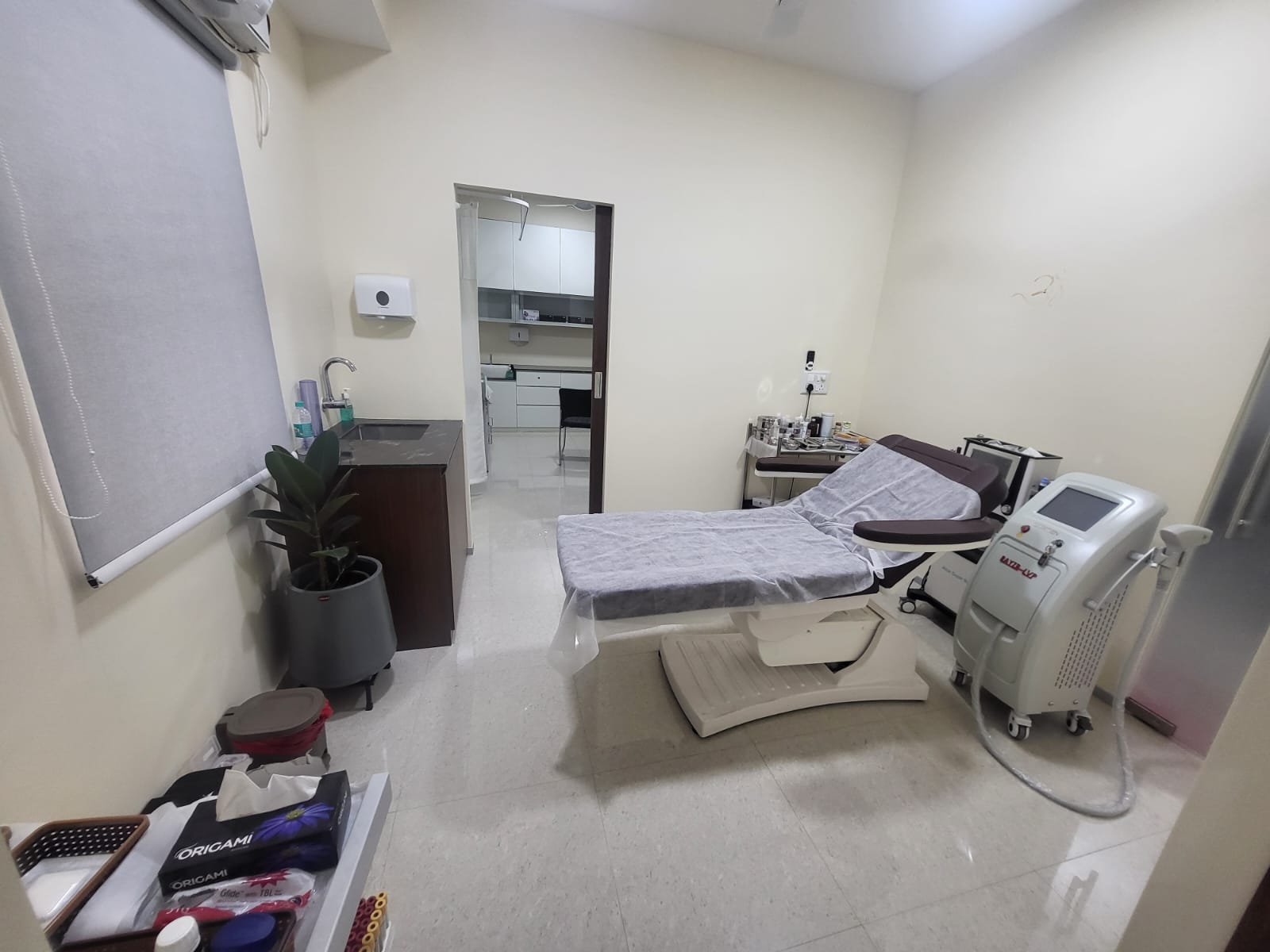
Our mission is to deliver the best in class, genuine and affordable dermatology care for the entire family delivered in the most personalized fashion using world-class technology.